Rereleased and Held Hostage: How Publishers Profit From Remakes by Burying the Originals
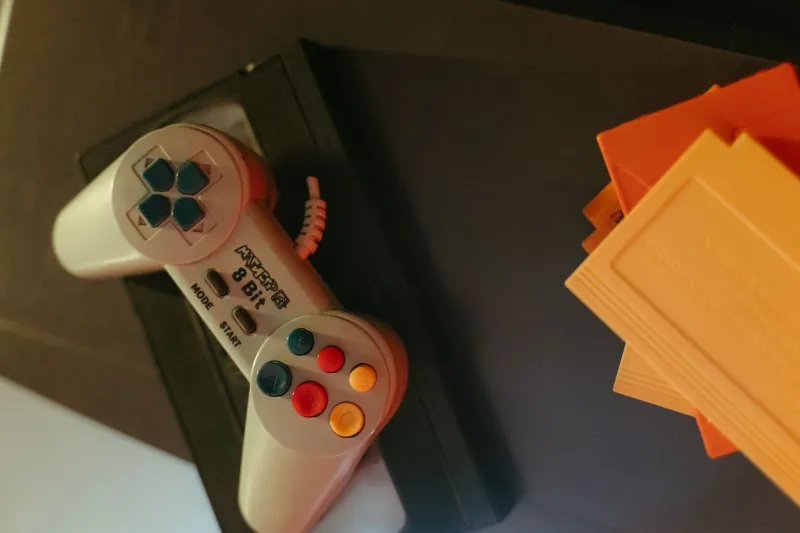
There is a particular kind of frustration that has become familiar to longtime gamers: logging into a digital storefront to find that a game you once owned—or intended to buy—has simply vanished. No announcement. No grace period. Just an empty product page where a classic once stood. In its place, often within weeks or months, arrives a shiny remaster or remake carrying a full retail price tag.
This is not coincidence. For a growing number of publishers, it is strategy.
The Mechanics of Manufactured Scarcity
The playbook is straightforward, even if its execution is rarely acknowledged openly. A publisher holds the rights to a catalog of older titles. Rather than allowing those originals to continue generating modest revenue on legacy platforms or digital storefronts, the publisher delists them—citing expired licensing agreements, outdated engine support, or vague "quality concerns." The original game becomes legally inaccessible through legitimate channels.
Months later, a remaster or remake is announced. The marketing emphasizes nostalgia. The pricing reflects a brand-new release. Consumers who want to revisit the experience—or encounter it for the first time—have no alternative but to pay the new premium. The original version, which might have sold for five or ten dollars on a digital marketplace, is simply gone.
Licensing complexity is frequently cited as the reason originals disappear. Music rights, middleware agreements, and third-party engine contracts can all create genuine legal obstacles to maintaining older titles on modern storefronts. But consumer advocates and legal analysts have noted that publishers often have significant discretion in how aggressively they pursue licensing renewals—and that the financial incentive to let originals lapse while preparing a premium rerelease creates an obvious conflict of interest.
"The question we have to ask," said one digital consumer rights advocate who has studied storefront delisting patterns, "is whether these licensing issues are genuinely unavoidable or whether they are being managed in a way that happens to serve the publisher's commercial interests. In many cases, the timing is difficult to ignore."
What Players Actually Lose
The immediate harm is financial. A player who purchased a digital copy of a game years ago may find that their access depends entirely on platform continuity—and that if the publisher delists the title, future reinstallation is not guaranteed. Unlike a physical cartridge or disc that can be placed in a compatible console regardless of corporate decisions, digital ownership is conditional in ways most consumers do not fully understand at the point of purchase.
But the harm extends beyond individual wallets. When originals are made unavailable, players lose the ability to make meaningful comparisons. A remaster that alters gameplay mechanics, removes content, or changes the artistic vision of the original cannot be evaluated against the source material if that material is inaccessible. Consumers are asked to accept the publisher's version of what the game "should" be, without recourse to the version they may have already paid for.
For players with deep ties to specific entries in a franchise—those who grew up with a particular installment, who associate it with a specific period of their lives—the delisting of an original is not merely an inconvenience. It is the erasure of a cultural artifact they believed they owned.
The Preservation Crisis Nobody Is Talking About Loudly Enough
Digital preservation advocates have long warned that the gaming industry's shift away from physical media, combined with publishers' unchecked authority to delist titles, is producing a cultural catastrophe in slow motion. Estimates from organizations tracking game availability suggest that a substantial percentage of titles released before 2010 are no longer commercially accessible in any form.
When publishers delist originals specifically to clear the commercial field for remakes, they accelerate this erosion—and they do so for profit. The result is an industry that is systematically destroying its own history while charging consumers for curated access to a sanitized version of that history.
Libraries, museums, and academic institutions have begun pushing for broader exemptions under the Digital Millennium Copyright Act that would allow preservation-focused organizations to maintain and provide access to delisted software. Progress has been incremental. Publishers have historically opposed expansions of these exemptions, arguing that they could undermine commercial markets—a position that carries a certain irony when the commercial market for the original has been deliberately eliminated.
The Legal Landscape and What Rights You Actually Have
Under current U.S. law, consumers who purchase digital games are acquiring a license to access software, not ownership of the software itself. This distinction, embedded in the terms of service agreements that govern virtually every digital storefront, means that publishers retain broad authority to modify, restrict, or terminate access to purchased content.
This legal framework offers consumers very little protection against the delist-and-remaster strategy. There is no federal statute requiring publishers to maintain the availability of previously sold digital content. Refund policies vary by platform and are rarely triggered by delisting events that occur after a purchase. Class action lawsuits challenging these practices have faced significant obstacles, partly because the terms of service consumers agreed to at purchase typically grant publishers the very authority they are exercising.
Several state legislatures have begun examining whether existing consumer protection statutes could be applied more aggressively to digital goods. California, Washington, and Minnesota have each seen legislative activity related to digital ownership transparency in recent years. None of these efforts has yet produced a comprehensive remedy for the delist-and-remaster problem specifically, but they reflect a growing recognition among policymakers that the current legal framework inadequately protects consumers in digital markets.
What Needs to Change
Addressing this practice requires action on multiple fronts. At the legislative level, Congress should consider establishing minimum standards for digital game preservation and consumer notification when titles are scheduled for delisting. Publishers who choose to delist originals within a defined window of a remake's commercial release should be required to demonstrate that the delisting was legally necessary rather than commercially motivated.
At the platform level, major storefronts—Steam, the PlayStation Store, the Microsoft Store, and others—should adopt policies that protect consumers' ability to reinstall previously purchased titles regardless of a publisher's current commercial relationship with the platform. Purchased content should remain accessible to the purchaser.
And at the consumer level, awareness is the first line of defense. Understanding that digital purchases confer licenses rather than ownership, maintaining physical copies of titles where possible, and supporting advocacy organizations working toward stronger digital consumer protections are all meaningful steps.
Your History, Their Revenue Stream
The remaster and remake market is not inherently problematic. Revisiting classic games with updated technology can be a genuine service to players, and many rereleases have been welcomed by communities eager to share beloved experiences with new audiences. The problem is not the remaster. The problem is the hostage.
When publishers deliberately eliminate access to originals in order to extract additional revenue from players who have no alternative, they are not offering a service. They are engineering a coercive transaction—one that exploits consumer attachment to their own gaming history while stripping away the choice that genuine competition would provide.
Gamers deserve better than a market where their nostalgia is weaponized against them. They deserve the right to choose between the original and the remake, to hold onto what they already purchased, and to access the gaming history that belongs to all of us. That is not an unreasonable demand. It is a consumer right worth fighting for.